Room: Q160_103 B
The Solar Energy and Low-Tech Systems Laboratory focuses on the experimental characterization of solar thermal collectors. In particular, the research investigates the thermal performance of solar cookers, thermodynamic systems that convert solar energy into thermal energy for food heating and cooking. Solar cookers are characterized through outdoor no-load tests to determine the maximum achievable temperature. Load tests with water (or other test fluids such as natural or diathermic oils) are also performed to determine characteristic boiling times, cooking power, and the optical and thermal efficiency of the cooker. Additional experiments involve thermal storage systems based on Phase Change Materials (PCM), which exploit latent heat to enable the use of solar cookers even during periods of low or absent solar radiation.
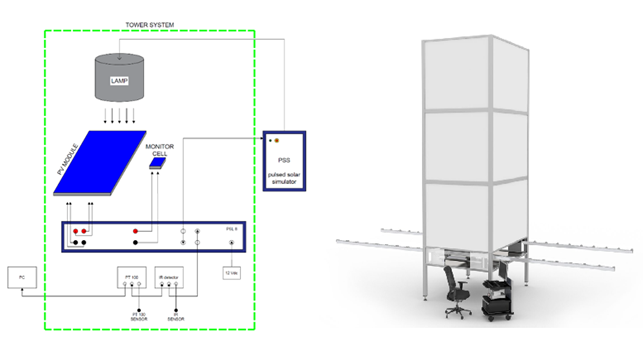
The laboratory also performs flash tests to determine current-voltage (I-V) curves of photovoltaic modules by means of a solar simulator.
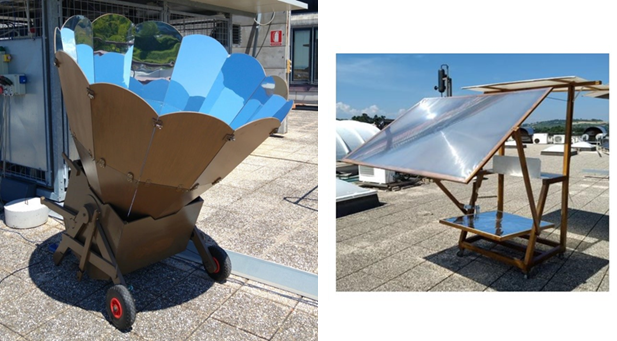
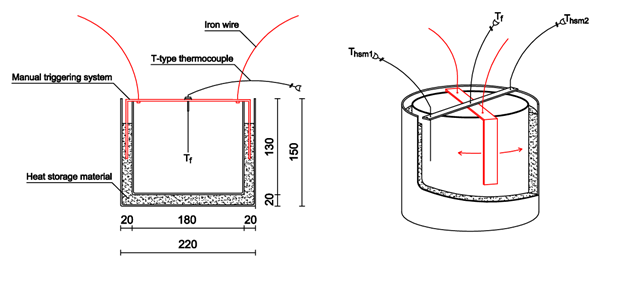
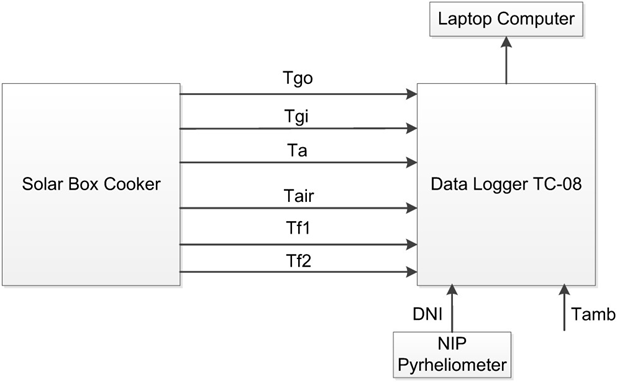
The laboratory is equipped with a temperature acquisition system using thermocouples, pyrheliometers, and pyranometers to measure direct solar radiation.
A flash-test device is also available, based on a Class A+ AM 1.5 solar simulator manufactured by the German company BERGER Lichttechnik.